
Over time, this leads to a decrease in the brain’s association between alcohol and pleasure, ultimately reducing the desire to drink. The Sinclair Method (TSM) is a scientifically-backed approach to treating alcohol addiction that utilizes the medication naltrexone to help individuals regain control over their drinking habits. This method is unique because it doesn’t require complete abstinence from alcohol, making it an attractive option for those who struggle with traditional sobriety-focused treatments.
The Sinclair Method: A Breakthrough Approach to Alcohol Addiction
- If you want professional assistance to decide if this is the right path for you, you can check our Treatment Center Finder to locate the nearest center to you.
- Et al. 2022, titled “Use of Naltrexone in Internet Gaming Disorder.” These applications require different dosing or strategies and have not been as extensively studied.
- This evidence supports the goal of pharmacological extinction, showing a measurable shift toward controlled drinking or sobriety.
- Sinclair then started looking into naltrexone, a narcotic agonist that blocks opioid receptors in the brain.
- However, there has also been relatively limited research on the use of this specific method.
- This website utilizes various technologies that are meant to make it as accessible as possible at all times.
These receptors are part of the brain’s reward system, which reinforces behaviors like drinking alcohol by releasing pleasurable feelings. Naltrexone is used to help people who have stopped drinking alcohol and using street drugs continue to avoid drinking or using drugs. Naltrexone should not be used by people who are still using street drugs or drinking large amounts of alcohol. Do not take any opioid medications or use opioid street drugs during your treatment with naltrexone. Naltrexone blocks the effects of opioid medications and opioid street drugs and can lead to precipitate withdrawal. It is not likely that naltrexone will cause liver damage when taken in recommended doses.
DrLeeds
Josh Lee is a clinician and researcher with a focus on medication-assisted treatment of alcohol and opioid use disorders. He has conducted multiple clinical trials examining the use of naltrexone in primary care and other community settings. As a practicing physician, Josh helps manage the NYC Health + Hospitals/Bellevue addiction medicine clinic in adult primary care.
Naltrexone Referral
The Sinclair Method was created for people to take their first drink after an hour from using naltrexone, creating a “wall” that prevents the alcohol induced euphoria or “happy drunk feeling”. This first drink, without naltrexone, usually triggers a craving for another drink and possibly even a third. However, with the buildup of the “naltrexone wall”, the desire for a second drink is less than the first, with the hopes that the person stops drinking because their cravings are greatly diminished. Sunnyside Med offers access to compounded naltrexone (50mg + B6 5mg), paired with behavioral tools to help you reduce your drinking over time.
FAQs About The Sinclair Method
- Research indicates people may have differences in the amount of endorphins just one drink of alcohol elicits.
- Yes, you can drink occasionally on naltrexone when following the Sinclair Method (TSM).
- The Sinclair Method is the primary way for using naltrexone to treat Alcohol Use Disorder.
- Combining the Sinclair Method with behavioral therapy enhances both mental health and recovery success.
It works by using a medication https://ecosoberhouse.com/ such as naltrexone or nalmefene before drinking to block the brain’s release of endorphins that normally reinforce alcohol consumption. Over time, this process, known as pharmacological extinction, weakens the brain’s learned reward connection to alcohol. The Sinclair Method (TSM) differs from traditional abstinence-based approaches by focusing on controlled drinking rather than complete sobriety. TSM employs targeted pharmacological intervention—using naltrexone, an opioid antagonist—to reduce alcohol cravings and diminish the brain’s association of alcohol with pleasure. This contrasts sharply with abstinence-based models, which advocate total avoidance of alcohol and rely on behavioral interventions, support groups like AA, and a belief in the necessity of abstinence for recovery. The Sinclair Method shows that lasting alcohol recovery doesn’t always require stopping altogether.
- A person can be abstinent without having extinguished their cravings, which may make it harder to maintain sobriety.
- Revisiting Life SkillsStress management, mindfulness, or building new hobbies can fill the gap once occupied by heavy drinking.
- But alcohol acts upon the reward pathways in the brain, causing the release of endorphins.
- The Reframe app equips you with the knowledge and skills you need to not only survive drinking less, but to thrive while you navigate the journey.
Other side effects may include nausea, vomiting, loss of appetite, headache, dizziness, mood changes, difficulty falling or staying asleep, drowsiness, and muscle or joint pain. For more information about naltrexone, see the naltrexone listing on medlineplus.gov, the full Prescribing Information, and Medication Guide, or talk to your healthcare provider. Once deemed appropriate for treatment, individuals will typically receive a prescription for naltrexone along with instructions on how to take it effectively within the context of their drinking habits. It is essential for individuals to commit to taking naltrexone consistently before drinking as prescribed by their healthcare provider. By targeting both the biological and behavioral aspects of alcohol dependency, naltrexone provides a complete strategy for treating alcohol use disorder when incorporated with the Sinclair Method. This approach gives individuals a methodical road to recover control over their drinking behavior and helps people cut alcohol intake while keeping a sensible attitude to treatment.

Changing drinking habits takes time, and we’re here with a judgment-free community, personalized support, and specialized resources always at your fingertips. Learn how Thrive’s home-based program, centered on naltrexone, helps you take control of alcohol and rebuild your confidence. 📌 sinclair method Dominance of abstinence-based models – Traditional 12-step programs and rehab models focus on quitting completely, while TSM offers a different approach. If you’re exploring ways to change your relationship with alcohol, you may have come across The Sinclair Method (TSM). While TSM is a science-backed approach to reducing alcohol intake, it’s not for everyone. No Suitability for EveryoneIndividuals with severe comorbidities, advanced liver disease, or active opioid analgesic usage may not be good candidates for TSM.
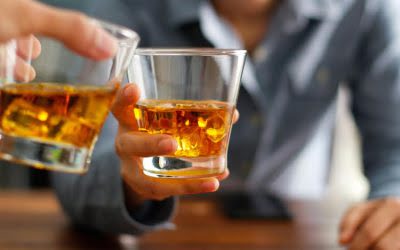

For many, this treatment method offers a practical path to drink less, feel better, and rebuild control without the alcohol deprivation effect. Yes, you can drink occasionally on naltrexone when following the Sinclair Method (TSM). Controlled drinking is a key component of TSM, as naltrexone blocks opioid receptors, reducing the brain’s reward response to alcohol.
Starting the Sinclair Method begins with consulting a healthcare professional experienced in medication-assisted treatment. Consistent tracking, follow-up appointments, and combining the method with behavioral therapy can significantly improve results. Clinical research and patient outcomes suggest that about 78% of people using the Sinclair Method experience significant improvement in controlling or stopping alcohol use. The Sinclair Method reduces cravings for alcohol, which contributes to its high success rate.
Eventually, the drink-equals-reward pattern gets interrupted because alcohol no longer presents that feel-good sensation. Without the reward, cravings typically diminish, leading to less drinking or even complete abstinence. He also discovered that administering naltrexone before drinking would eventually extinguish the drinking behavior. Later research also demonstrated that naltrexone had a similar effect on humans with alcohol use disorder who wanted to drink less.
Naltrexone in alcohol dependence.
A key component of TSM is taking naltrexone every time before drinking so your brain no longer connects alcohol with a bonus. Drug rehabilitation Naltrexone is a medication that was approved by the Food and Drug Administration (FDA) in 1994 to treat AUD. It is an opioid antagonist and works by binding to opioid receptors, where it blocks the absorption of endorphins (4). Like any other treatment method, the Sinclair Method has advantages and disadvantages that you should consider before you decide if this approach is right for you. Some people may find that it is a flexible and effective way to cut back on drinking.